
The World of Bamboo
By Gib Cooper
Revised May 16, 2007
Bamboo’s natural range includes every continent except Europe and Antarctica. We once had 5 million acres of an American native bamboo know as Canebrake or Arundinaria gigantea growing in our Southeastern quarter. This bamboo and its ecosystem were soon greatly diminished in area by the migration of settlers in the early 19th century. The bamboo grew in good soil and was cleared for farmland. Unbelievably, a new species was described for the USA in 2006. Its name is Hill cane, or Arundinaria appalachiana.
“Stone Age” Asians may have relied heavily on tools they made of materials other than stone. The lack of stone tools of the quality found in Europe in much of Southeast Asia roughly corresponds to the natural distribution of bamboo in the region. It appears that Southeast Asia has been heavily forested for many millions of years. This is still one of the areas of dense bamboo forests remaining in the world. Man may have relied more on bamboo than we know. Based on this theory, bamboo was probably one of the most important materials used by early Asian people. Even today, the use of bamboo has more significance to Asian cultures than any other.
Evidence of bamboo use is found in South America. Some excavations of early dwellings have imprints of bamboo canes and split, woven material preserved in the mud or adobe used in the construction or as protective living stockades around villages.
Bamboo is an incredible grass that has long been in use by people around the globe. In our modern world it is finding a new place in the spectrum of plants, fibers and foods used to enhance the quality of our lives. We are not simply talking about one plant. Bamboo is a large group of giant grasses with over 1,200 species found from the tropics to temperate regions.
There are many factors to consider when thinking about growing bamboo for ornamental, utility or edible bamboo shoots. To assist you in making the educated decision in species selection I list the most important things to think about.
Your Climate
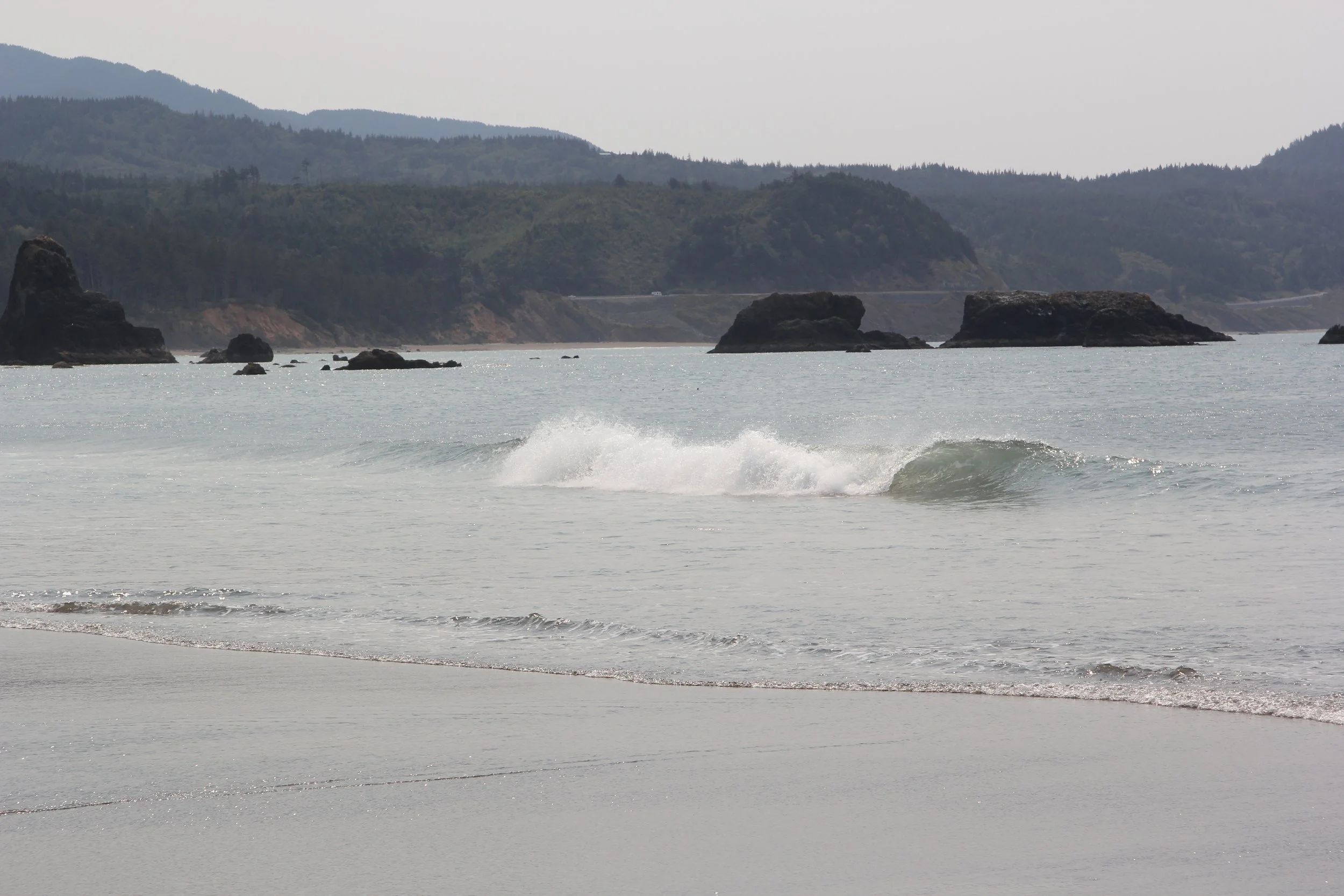
Do you live in a tropical, subtropical or temperate zone? Is your climate zone humid or arid? Are you in a valley or on a mountain? Is the exposure sunny or shady? What about wind?
Tropical bamboo may only be grown permanently outdoors in areas that are frost-free. These are USDA Zones 10 and 11 only: areas like Southern Florida, Southern California and Hawaii. Tropical bamboo may be grown indoors or in greenhouse environments if care is given to maintain steady warm temperatures throughout the year.
Subtropical bamboos are somewhat tolerant to frost. They grow well in USDA Zones 9 and 10 with marginal performance of some species in Zone 8. These hardier selections are useful for areas like much of coastal California, the southern Oregon coast, the Gulf States and the tropical areas, as well as interior use. Sustained cool like inland Oregon winters will discourage one from growing many of these species.
The temperate bamboo are quite frost hardy. Some withstand temperatures to -20 F and are suitable USDA Zones 4 and 5. Most will grow around the country in Zones 6, 7, 8, 9, and many, in 10. They also do well as houseplants.

The Planting Site
While bamboo will grow in most soils it is important to remember it is not a pond plant or a zeriscape plant. Much like a lawn it needs water and feeding on a regular basis, particularly in summer. Bamboo likes to grow at the edge of a pond, stream or swampy area but not in it. Irrigation is necessary in the West where summers are dry, clear and hot. In the East where summer rains are a regular occurrence irrigation is not necessary except for newly planted bamboo or under drought conditions.
The soil range can be from sandy to clay. Bamboo grows fast and easily in sandy/loamy soils, however, watering and feeding will need to be more frequent. Heavier soils nurture bamboo nicely. However, some species dislike grey serpentine clays found in some areas. In all cases a heavy mulch of wood chips encourage rhizome growth and maintain even moisture levels.
Soil pH is recommended at between 5.5 and 6.5 or slightly acid for most species. Generally, species that tolerate drier conditions may do better in higher pH soils.
Spreading (Running) vs Clumping Bamboo
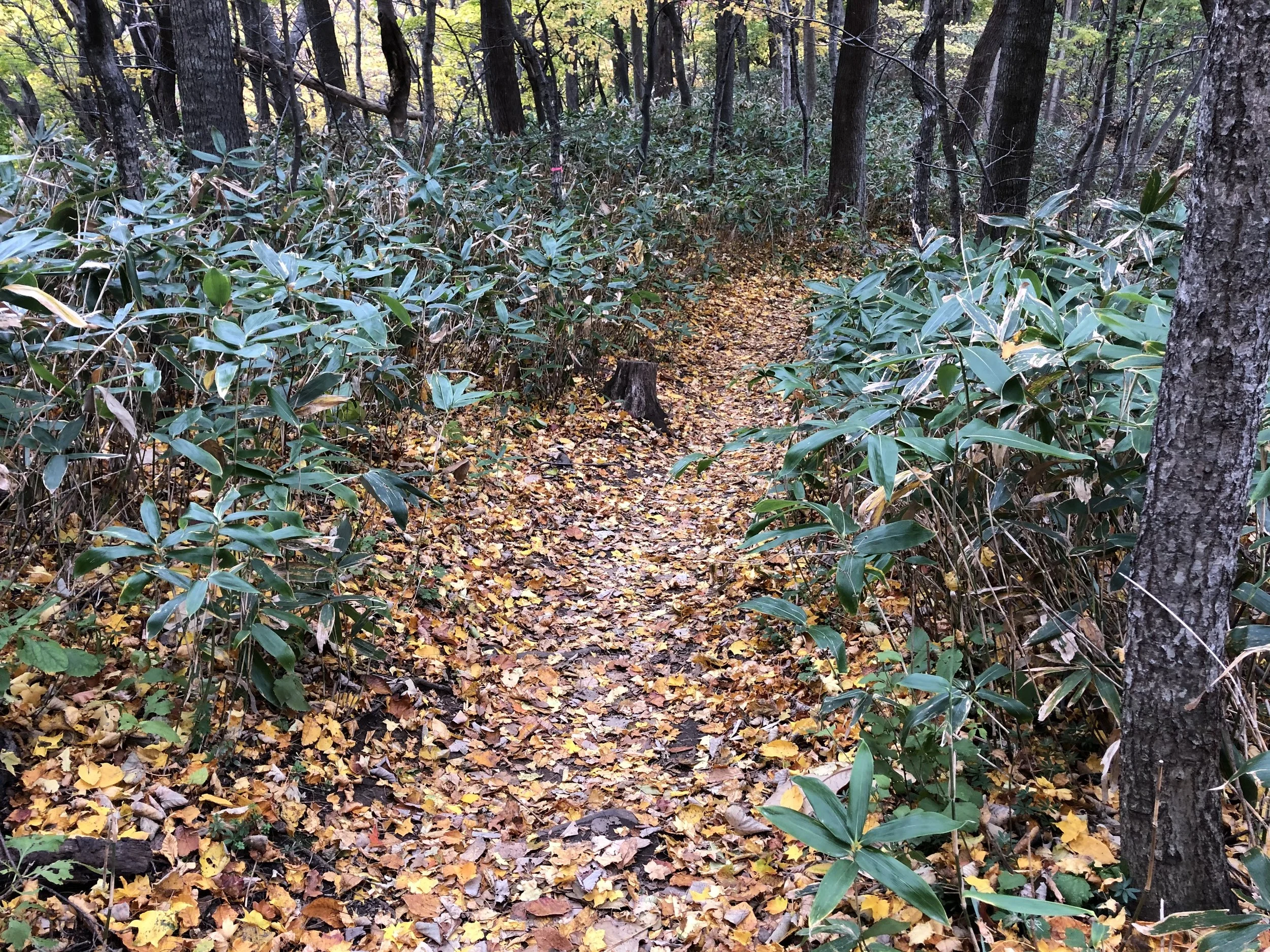
Many gardeners are frightened by the “running” bamboo species that send out rhizomes that may travel for several feet. These are the culprits of bamboo’s bad reputation among Western gardeners. Fortunately, there is an alternative type of rhizome growth that results in the rhizome being very short and, sometimes, almost bulbous. This is a bamboo plant that grows only inches away from the center with densely clustered culms. We call these types “clumping” bamboo.
The spreading or running bamboos are generally species for temperate climates. The clumping bamboo is for more tropical or montane climates. The open grove spreading bamboo is what you may see in photographs of people walking through a forest of bamboo in China or Japan. Clumping bamboo forms a tight thicket of canes that are impossible to walk into without cutting a pathway way first. These are the well-behaved bamboo that stay put when planted. The spreading bamboo needs plenty of space to form a grove. The best way to enjoy spreading bamboo in the garden is in pots or in a designated area with the bamboo contained by rhizome barrier.

Uses of Bamboo
-
Called by many as the plant of a thousand uses, bamboo is first and foremost a landscape ornamental. Gardeners have relished the graceful beauty bamboo brings to the garden. There is a wide range of species suited to every garden use, except for the production of beautiful flowers!
Dwarf bamboo can be used in mass plantings like a ground cover. Many gardeners use them as facers between mixed shrubbery or in foreground plantings. Bonsai and houseplant enthusiasts use the little bamboos in pots around the deck and home. The many sizes, leaf textures, leaf patterns and colors create a delectable palate to work with
Shrub sized bamboo will reach six to eight feet tall. Many will grow with a mounding mass of leaves and very little culm showing. Use for low hedges, boundaries, fillers, foundation plantings, and for taller houseplants. In larger estate planting they are excellent for mass plantings and erosion control. There are several different leaf colors and sizes available.
The tall growing bamboos that are big by homeowner standards but not timber size are categorized as the tall shrub size. This group reaches heights that are suitable for screening purposes, hedges, small space specimens, foundation plantings, and large pots. A similar size related group is the “mountain bamboo”. However, these are very beautiful and well behaved clumping bamboo suitable for the smaller garden wherever the climate permits.
Most well known and the icon of bamboo are the timber bamboos. These grow to gigantic proportions. Many of the tropical species reach huge sizes that will impress you and your friends. Fortunately, the tropical and subtropical giants are clumpers and practical as a “tree” size plant in many residential settings. The other group of giants is the temperate running timber bamboo. These are the grove forming bamboo that need free range and space to attain grand heights and thick hard culms. These timber bamboos make great background plants or tall hedging to block out undesirable noise and views. To use these responsibly in residential lots we recommend installing rhizome barrier.
-
Many Asian societies have a legacy of thousands of years utilizing bamboo in their daily life. These people have revered their local bamboos for what they give to their lives. Surely the plant of a thousand uses! However, without going into detail, there many bamboo species for crafting various items for use around the home and garden. Learning to use bamboo requires thinking differently than using wood. Bamboo is strong, hard and brittle. For example, driving a nail will split it. You must pre-drill a hole first. Sawing bamboo requires a sharp small tooth saw like a hacksaw. There are several books available to assist the crafts person to learn how to use bamboo in building.
In the past few years numerous techniques in bamboo processing have brought new products onto the home improvement market. Examples of these products include “Plyboo” tongue and groove flooring, sheets of plyboo and paneling. Other paneling products use the beauty of natural split weaves, culms and strips to create fine Japanese style interiors. Most of these materials come from the splitting of the bamboo culm into various sizes, squaring and pressure laminating into the desired size and shape. This is one of the most exciting areas in the application of bamboo to solve our natural resource problems in the future.
-
While Asian cuisine has demanded a variety of bamboo species to be harvested in season for fresh or canned bamboo shoots, the American market for shoots has been mostly imported in cans. The popularity of Chinese restaurants with Americans has given most of us a taste of this bamboo vegetable. Growing Asian enclaves are scattered in many parts of the country. People in these areas want good quality bamboo shoots - either fresh or frozen. More and more people are planting bamboo for this vegetable market.
The homeowner with the best bamboo for edible shoots may enjoy the annual harvest at shooting time. There are many recipes available for using bamboo shoots. Some species of bamboo shoots are very bitter. The traditional way of removing the acrid taste is by cooking and washing. However, the best way to enjoy your shoots is by selecting the best edible species in the beginning.
-
Some countries rely on bamboo for most of the paper production. Paper makers in America on the commercial scale may not find bamboo useful as a raw material without more available bamboo acreage and specialized processing equipment. The paper making crafts person will find bamboo as a very desirable fiber for hand made paper.
-
The most recent popular use of bamboo is in the production of fiber for textile production. Several attributes make clothing, bedspreads and towels superior to other fibers. Wicking and absorption qualities make the clothing comfortable and cool in the warm season. Anti-bacterial properties slow down odors emanating from over wearing between washes. The fiber can also be mixed with synthetics or cotton to create special attributes demanded by today’s clothing market.
-
The Japanese have used bamboo as animal feed for hundreds of years. Only recently have stock men realized the usefulness of bamboo feed. There is renewed interest into the food value of bamboo for cattle and other livestock.
-
Our activities disturb nature. Bamboo is a helpful plant to reduce our environmental intrusion. Today’s cities and concentrated livestock feed lots present problems in sewage disposal. Bamboo is a heavy feeder and grows very well with high levels of nutrients. There are research proposals taking a look at the nitrate uptake and production of bamboo poles from waste treatment facilities in towns and farms.
Erosion on America’s land continues. Every time someone takes a bulldozer to make a new driveway or home the soil is disturbed. Rain runoff carries the exposed soil into our waterways. Prompt planting of bamboo can alleviate these problems.
Polluted air and views are problems many of us face in our daily lives. Tall bamboo provides millions of leaves to filter the air, sounds and views that intrude into our most important space -home. Wise planting of bamboo around the home, farm and factory will encourage good neighborliness.
With over 1200 species of bamboo worldwide we find both in the Americas and Asia bamboo species being harvested from wild plants. We also find bamboo in danger of extinction or severely reduced habitat. A new effort is under way to take action and learn more about these bamboo species, particularly those of the Americas. Bambúes de las Americas or BOTA is the first organization dedicated to conserving the native bamboo of our continents of the Americas. Learn more at http://www.bamboooftheamericas.org/
